
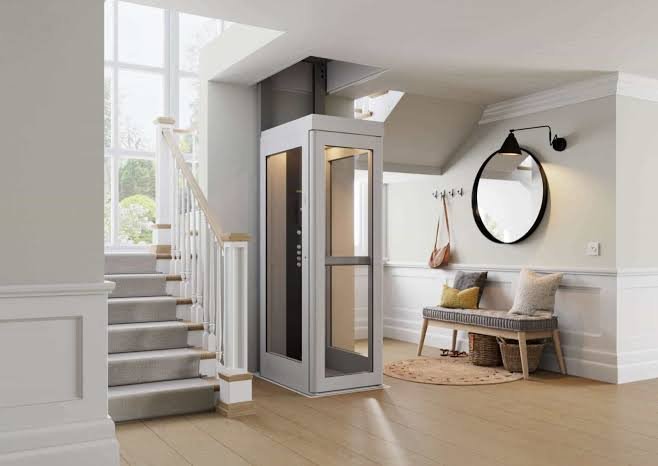
A lot of houses in the Lowcountry weren’t built with getting older in mind. Charleston single houses have their main living space up a full flight of stairs. Homes along the coast in places like Isle of Palms or Sullivan’s Island sit up on pilings, sometimes ten or twelve feet above ground level, because that’s what flood codes require. Add a few decades of wear on a homeowner’s knees, or a second-floor primary suite nobody wants to give up, and stairs stop being a minor inconvenience. That’s usually the moment a residential elevator goes from “someday” to “let’s actually look into this.”
CHS Elevators works with homeowners across the Charleston area and up into the Midlands who’ve reached that point. The calls tend to fall into a few categories: a couple planning to stay in their forever home instead of downsizing, a family renovating a raised coastal cottage and wanting the lift built in from the start, or someone recovering from surgery who needs a real solution rather than a stairlift bolted to the banister.
Types of Residential Elevators, and Why It Matters Here
Not every elevator works the same way, and the differences matter more in South Carolina than people expect.
Hydraulic elevators use a piston and a small machine room to move the cab. They’re smooth and can handle a fair amount of travel distance, which makes them a common choice for homes with three or more levels, including some of the taller raised beach houses. The tradeoff is space: they need a dedicated equipment closet somewhere in the house.
Pneumatic vacuum elevators skip the machine room entirely. Air pressure pulls the cylindrical cab up and down its tube. They’re popular for retrofits because the footprint is small and there’s no pit to dig, which matters in a historic downtown Charleston home where you’re not about to start excavating under original heart pine flooring.
Cable-driven, or traction, elevators use a counterweight system similar to what you’d find in a small commercial building. They’re efficient for taller installations but usually need more structural planning, so they show up more often in new construction than in retrofits.
The right pick usually comes down to the home itself — how it was built, how much space is available, and whether this is new construction or an existing structure. A 1920s house near the Battery and a new build in Mount Pleasant are going to lead to two very different conversations.
Coastal Conditions Change the Equation
Anyone who’s owned a car near the water in the Lowcountry knows what salt air does to metal over time. Elevator components aren’t immune to that. Homes in Mount Pleasant, Folly Beach, and especially the barrier islands need equipment rated for humidity and salt exposure, and the mechanical room — if there is one — needs decent ventilation so moisture doesn’t sit and cause problems five years down the line.
Flood zone requirements add another layer. Many raised homes along the coast fall under FEMA guidelines that restrict what can go below base flood elevation. That affects where the elevator pit or machine room can be located, and it’s worth having that conversation with an installer before falling in love with a particular floor plan. Getting it wrong means a redesign later, which costs more than getting it right the first time.
Permits and Inspections
South Carolina requires permits for residential elevator installation, and inspections happen at more than one stage — typically after rough-in and again once the unit is complete and operational. Requirements can differ slightly by county, so a project in Berkeley County may have a different timeline than one in Charleston County. An installer who’s pulled permits in the specific municipality before will usually move faster through this part than one who hasn’t.
How Long Installation Actually Takes
For a retrofit into an existing home, plan on somewhere between four and eight weeks from signed contract to a working elevator, though that number moves depending on permitting speed and whether any structural modification is needed to fit the shaft. New construction is different — the elevator gets built into the framing plans from day one, so it adds less time overall than people assume, since the rough opening is already there when the crew shows up.
What It Costs, Roughly
Residential elevator pricing in South Carolina generally lands somewhere between $25,000 and $60,000 installed, with the wide range coming down to type of elevator, number of stops, finish level, and whether it’s new construction or a retrofit requiring a shaft to be built from scratch. Pneumatic units tend to sit on the lower-to-middle end for a two-stop install. Hydraulic and traction systems with custom cabs, multiple stops, or high-end finishes push toward the top of that range. Getting a walkthrough and written quote for the actual house is the only way to get a number that means anything, since a lot of this depends on details that don’t show up until someone’s standing in the space.
Choosing Who Installs It
A home elevator is not a weekend DIY project, and it’s also not something to hand to a general contractor who’s never pulled an elevator permit before. Look for an installer who’s licensed for the work, familiar with the local permitting offices, and willing to walk through maintenance expectations up front — because elevators, like any mechanical system, need periodic service to keep running smoothly for the next twenty or thirty years.
For homeowners in the Charleston region weighing whether a home elevator makes sense for their house, CHS Elevators offers on-site consultations to look at the specific structure, flood zone, and layout before recommending a system. Every raised cottage, historic downtown home, and new-build in the Lowcountry comes with its own set of constraints, and the right elevator choice usually only becomes obvious once someone’s actually walked the space.
