
Sustainable travel is no longer a niche idea reserved for eco-purists. In 2026, ecological trips are becoming a mainstream travel pattern shaped by climate awareness, rising costs, and a growing desire for more meaningful experiences. Travelers are rethinking how they move, where they stay, and what kind of impact their journeys leave behind. The focus is shifting away from fast tourism and toward slower, smarter, and more responsible ways to explore the world.
- What Ecological Trips Really Mean in 2026
- Why Ecological Travel Is Accelerating Now
- Climate awareness has matured
- Cost efficiency matters more than ever
- Burnout from overcrowded tourism
- Technology supports smarter planning
- Transportation Choices That Define Ecological Trips
- Accommodation Trends Shaping Sustainable Travel
- Food and Consumption on Ecological Trips
- Experiences That Replace Traditional Sightseeing
- The Role of Digital Tools in Sustainable Travel
- Challenges That Still Exist
- Why Ecological Trips Will Define Travel Beyond 2026
This change is not driven by guilt. It is driven by practicality. People want trips that feel good, cost less over time, and align with the values shaping modern life. Ecological trips fit directly into that mindset.
What Ecological Trips Really Mean in 2026
Ecological trips are often misunderstood as extreme or inconvenient. In reality, they are about conscious decision-making rather than sacrifice. The goal is to reduce environmental impact while improving the quality of the travel experience.
In 2026, ecological travel focuses on three core ideas:
Reducing environmental footprint
This includes choosing lower emission transport, minimizing waste, and supporting destinations that protect natural resources rather than exploit them.
Supporting local systems
Money spent during the trip stays closer to the destination. This means local accommodations, local food, and locally guided experiences.
Traveling with intention
Trips are planned with purpose. Fewer places, more depth, and less rushing from one attraction to another.
These principles are shaping how travelers plan holidays, workations, and long-term trips alike.
Why Ecological Travel Is Accelerating Now
Several forces are pushing ecological trips into the spotlight in 2026.
Climate awareness has matured
People no longer need convincing that travel impacts the planet. The conversation has moved from awareness to action. Travelers want options that feel realistic and effective.
Cost efficiency matters more than ever
Sustainable choices often align with budget friendly ones. Slower travel, fewer flights, longer stays, and self-planned routes reduce expenses while increasing comfort.
Burnout from overcrowded tourism
Popular destinations are struggling with overtourism. Travelers are actively avoiding packed hotspots in favor of quieter regions that offer authenticity and breathing room.
Technology supports smarter planning
Apps and platforms now make it easier to plan low-impact routes, find eco-friendly stays, and track travel emissions. Sustainability has become easier to manage, not harder.
Transportation Choices That Define Ecological Trips
How people move is one of the most important factors in sustainable travel.
Trains over short-haul flights
Rail travel continues to dominate ecological trips in 2026, especially across Europe and parts of Asia. Trains produce significantly lower emissions and allow travelers to see landscapes rather than airports.
Road trips with efficiency in mind
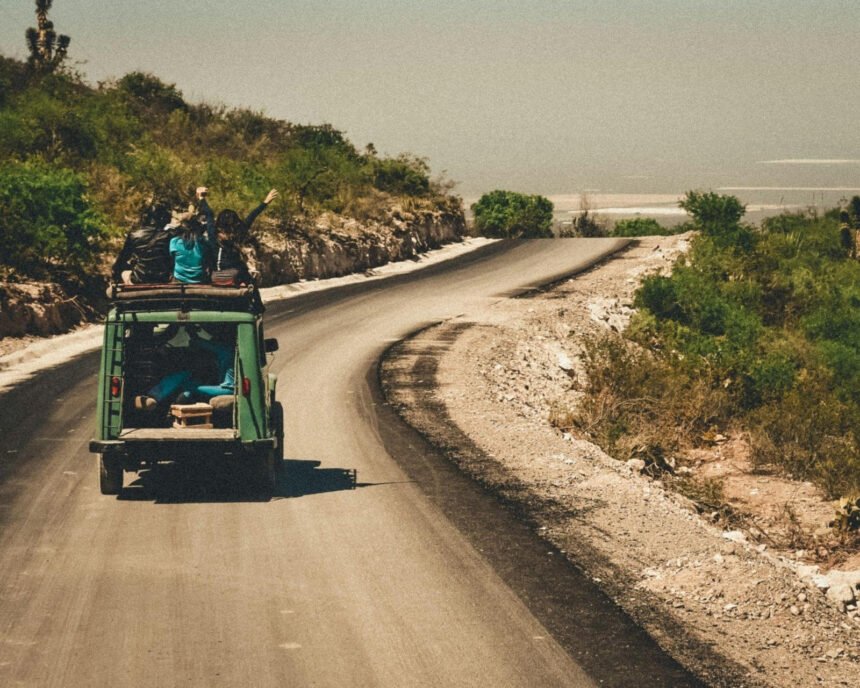
Road travel remains popular, but the approach has changed. Travelers plan smarter routes, avoid unnecessary detours, and favor fuel-efficient or hybrid vehicles. Even small details matter, from tire pressure to keeping the car interior fresh with a simple car freshener rather than disposable products that create waste.Photo by
Fewer flights, longer stays
When flights are necessary, travelers stay longer in one place. This spreads the environmental cost of flying across more days and leads to deeper cultural experiences.
Accommodation Trends Shaping Sustainable Travel
Where travelers sleep plays a huge role in ecological trips.
Small-scale stays over large resorts
Boutique guesthouses, family-run inns, and rural lodges are preferred over large resort complexes. These places often use fewer resources and integrate better into the local environment.
Energy-conscious properties
Solar panels, water-saving systems, and low-energy lighting are no longer niche features. In 2026, there are expected standards for sustainability-focused travelers.
Location over luxury
Proximity matters. Staying close to daily activities reduces transport needs. Walkable neighborhoods are now a key booking factor.
Food and Consumption on Ecological Trips
Eating habits during travel are also changing.
Local and seasonal dining
Travelers seek out regional dishes made with local ingredients. This reduces food transport emissions and supports local farmers and producers.
Fewer packaged products
Reusable bottles, containers, and shopping bags are standard gear for ecological trips. Travelers actively avoid single-use plastics, even on the road.
Mindful comfort choices
Sustainability does not mean discomfort. It means choosing products that last longer and create less waste. Even small items like reusable travel accessories or a non-synthetic metal car freshener reflect this shift toward conscious consumption.
Experiences That Replace Traditional Sightseeing
Ecological trips in 2026 focus less on checking landmarks off a list and more on meaningful engagement.
Nature-based activities
Hiking, cycling, kayaking, and wildlife observation are central experiences. These activities have a low environmental impact and create a stronger connection to place.
Cultural immersion
Workshops, local tours, and community-led experiences replace mass tourism attractions. Travelers want stories, not souvenirs.
Slower pacing
Schedules are lighter. Free time is intentional. This reduces stress and lowers the environmental cost of constant movement.
The Role of Digital Tools in Sustainable Travel
Technology plays a quiet but powerful role in ecological trips.
Route optimization
Mapping tools help travelers choose efficient routes that save fuel and time.
Emission tracking
Some travelers now track the environmental impact of their trips the same way they track budgets or steps.
Remote work flexibility
With remote work normalized, ecological trips often blend travel and work. Longer stays reduce transit frequency and support local economies.
Challenges That Still Exist
Despite progress, ecological travel is not without challenges.
Greenwashing confusion
Not every property or tour labeled “eco-friendly” actually is. Travelers must research and read beyond surface-level claims.
Infrastructure gaps
Some regions still lack reliable public transport or sustainable accommodation options. This limits choices in certain destinations.
Balancing access and preservation
As ecological destinations grow in popularity, managing visitor numbers becomes critical to avoid repeating the mistakes of mass tourism. Photo by
Why Ecological Trips Will Define Travel Beyond 2026
The rise of ecological trips is not a temporary trend. It reflects a deeper change in how people define value. Travel is no longer about consuming places as quickly as possible. It is about connection, responsibility, and long-term thinking.
In 2026, sustainable travel patterns are shaped by everyday decisions rather than grand gestures. Choosing fewer destinations, supporting local systems, planning smarter routes and being mindful of small details all add up. Ecological trips fit naturally into modern life because they are practical, flexible, and rewarding.
As travelers continue to demand experiences that align with their values, ecological travel will not just coexist with mainstream tourism. It will reshape it from the ground up.