

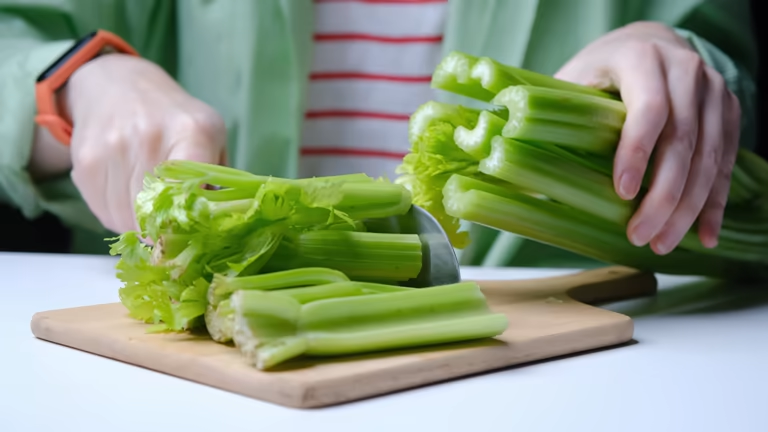
Introduction: Why Pravi celer Deserves More Attention
Pravi celer may look simple, but it is one of those everyday vegetables that can quietly improve your meals. It is crisp, fresh, light, and easy to use in many dishes. You can eat it raw, add it to soups, blend it into drinks, or use it as a base for stews and sauces.
Celery is known for being low in calories while still offering dietary fiber, vitamin K, and antioxidant compounds. Mayo Clinic Health System notes that two celery stalks contain only about 15 calories and also provide fiber, vitamin K, and small amounts of vitamins A and C, calcium, and iron.
The best thing about celery is that it does not need fancy cooking. A few washed stalks can become a quick snack, a crunchy salad topping, or a flavorful ingredient in a warm homemade soup. That’s why Pravi celer deserves a regular place in the kitchen.
What Is Pravi celer?
Celery is a green vegetable commonly used for its stalks, leaves, and sometimes its root. The stalks are crunchy and mild, the leaves are more aromatic, and the root has a deeper earthy taste. In many kitchens, celery is used with onion and carrot as a flavor base for soups, broths, stews, and sauces.
Celery Stalks, Leaves, and Root
Many people only use the stalks, but the whole plant can be useful. The stalks are great for snacks and salads. The leaves can be chopped and added to soups, omelets, rice dishes, or homemade dips. The root, often called celeriac, works well in soups, mashed vegetables, roasted dishes, and winter salads.
Here is a simple guide:
| Part of Celery | Best Use |
|---|---|
| Stalks | Salads, snacks, juices, soups |
| Leaves | Garnish, soups, sauces, herb-like flavor |
| Root | Roasting, mashing, stews, creamy soups |
Why Celery Is Popular in Healthy Eating
Celery is popular because it gives meals crunch without adding many calories. It also contains a lot of water, which makes it refreshing. For people trying to eat more vegetables, celery is a simple starting point because it is easy to wash, slice, and serve.
Nutritional Value of Pravi celer
Celery is not a heavy source of calories, protein, or fat. Its value comes from water, fiber, vitamin K, and plant compounds. Cleveland Clinic reports that celery contains vitamin K, which supports normal blood clotting and bone health.
Low Calories and High Water Content
One reason celery is loved in healthy eating is its lightness. It can make meals feel fuller and fresher without adding much energy. That is why celery sticks are often used as a snack with hummus, yogurt dip, peanut butter, or cottage cheese.
Vitamin K, Fiber, and Antioxidants
Celery contains dietary fiber, which supports digestion and helps food move through the digestive system. It also contains antioxidant properties, which may help protect cells from oxidative stress as part of an overall healthy diet. Mayo Clinic Health System describes celery as a nutrient-rich, low-calorie food with fiber, vitamin K, and antioxidant properties.
Top Health Benefits of Pravi celer
Celery is not a miracle food, but it can be a smart part of a balanced diet. Its biggest benefits come from its water content, crunch, fiber, and easy use in meals.
1. Supports Hydration
Celery has a refreshing texture because it is water-rich. Eating water-rich vegetables can help add fluid to your daily diet, though it should not replace drinking water. This makes celery especially useful in warm weather or after a salty meal.
2. Helps Digestion
Celery contains fiber, and fiber is important for healthy digestion. It supports regular bowel movement and can help meals feel more satisfying. However, people with sensitive stomachs should increase raw vegetables slowly, because too much fiber at once may cause gas or bloating.
3. May Support Heart-Friendly Eating
Celery can be part of a heart-friendly eating pattern because it is low in calories and can replace salty, oily, or processed snacks. Some people also use celery seed products for blood pressure support, but WebMD warns that celery seed extract may interact with blood pressure medicines and could cause blood pressure to go too low.
Important Note: Celery Is Food, Not Medicine
This is very important: celery should be treated as food, not as a cure. Eating celery in salads, soups, or snacks is usually fine for most people. But using celery extracts, supplements, or large amounts of celery juice for medical reasons should be discussed with a healthcare professional.
How to Choose Fresh Celery
Fresh celery should look bright, firm, and clean. The stalks should stand straight and feel crisp. If the celery bends too easily, feels rubbery, smells unpleasant, or has slimy patches, it is no longer fresh.
Color, Crunch, and Smell
Choose celery that has:
- Firm stalks
- Fresh green leaves
- A clean, mild smell
- No slimy areas
- No dark soft spots
- A crisp snap when broken
Avoid celery that looks yellow, dry, limp, or wet in a sticky way.
How to Store Celery Properly
To keep celery fresh, store it in the refrigerator. You can wrap it in a paper towel and place it inside a container or loose bag. This helps control moisture and keeps the stalks crisp for longer.
Do not wash celery too early unless you plan to use it soon. Extra moisture can make it spoil faster. Wash it right before eating or cooking.
A useful trick: if celery becomes slightly soft, place the stalks in cold water for a short time. They may regain some crunch. But if the celery smells bad or feels slimy, throw it away.
Best Ways to Eat Pravi celer
Celery is very flexible. It can be eaten raw, cooked, blended, roasted, or added to sauces. It works well in both light meals and warm comfort food.
Raw Celery Snacks
Raw celery is perfect when you want something crunchy. Try it with:
- Hummus
- Greek yogurt dip
- Peanut butter
- Cream cheese
- Tuna spread
- Egg salad
- Avocado dip
For a balanced snack, pair celery with a protein or healthy fat. This makes the snack more filling.
Celery in Soups and Stews
Celery adds deep flavor to cooked food. When combined with onion and carrot, it creates a classic base for soups, stews, sauces, and broths. It works well in chicken soup, lentil soup, vegetable stew, bean dishes, and rice dishes.
You can also use celery leaves in soup instead of throwing them away. They add a stronger herbal flavor and reduce food waste.
Celery Juice: Benefits and Myths
Celery juice became popular online, but it is often overhyped. Cleveland Clinic says celery juice can be hydrating and nutrient-rich, but it should be enjoyed as part of a balanced diet rather than treated as a cure-all drink.
One downside of juicing is that it removes some fiber. Whole celery is often better for digestion and fullness because you get more of the natural fiber.
Who Should Be Careful With Celery?
Most people can eat celery safely as food. Still, some people need caution. Celery can cause allergic reactions in certain individuals. Cleveland Clinic notes that some people may experience oral allergy syndrome after eating raw celery.
People who take blood pressure medicine should be careful with celery seed supplements or extracts because of possible interactions. WebMD warns that celery seed extract taken with blood pressure-lowering medicine may cause blood pressure to drop too low.
People taking blood-thinning medicines should also ask a doctor about vitamin K intake. The goal is not always to avoid vitamin K, but to keep intake consistent.
Simple Recipe Ideas With Pravi celer
| Meal | Easy Idea |
|---|---|
| Breakfast | Omelet with celery leaves and cheese |
| Snack | Celery sticks with hummus |
| Lunch | Chicken salad with celery and apple |
| Dinner | Lentil soup with celery, carrot, and onion |
| Side Dish | Roasted celery root with herbs |
| Drink | Celery, cucumber, lemon, and apple smoothie |
FAQs About Pravi celer
1. Is Pravi celer good for weight loss?
Yes, it can help as part of a balanced weight-loss plan because it is low in calories and adds crunch and volume to meals. But celery alone will not cause weight loss. Total diet, movement, sleep, and consistency matter more.
2. Can I eat celery every day?
Most healthy people can eat celery daily in normal food amounts. It is still best to eat many different vegetables, not only celery.
3. Is celery juice better than whole celery?
Not really. Celery juice can be refreshing, but whole celery has more fiber. For digestion and fullness, whole celery is usually the better choice.
4. Can celery lower blood pressure?
Celery may fit into a heart-friendly diet, but it should not replace medicine. Celery seed extracts may interact with blood pressure drugs, so medical advice is important.
5. Can children eat celery?
Yes, but raw celery should be cut into small, safe pieces because it can be stringy and hard. Cooked celery in soup is often easier for young children.
6. Which part of celery is healthiest?
The stalks, leaves, and root all have value. Stalks are great for crunch and hydration, leaves add flavor, and the root is useful in cooked meals.
7. How do I know celery has gone bad?
Bad celery may smell unpleasant, feel slimy, look dark and soft, or become very limp. If you notice these signs, it is safer to throw it away.
Conclusion: A Simple Vegetable With Big Value
Pravi celer is a simple but powerful kitchen ingredient. It is light, crisp, refreshing, and easy to use in many meals. It can support hydration, digestion, and balanced eating when included as part of a healthy diet.
The key is to use celery wisely. Eat it in salads, soups, snacks, and cooked dishes. Enjoy celery juice if you like it, but do not believe every “detox” claim online. Celery works best when it is part of a colorful plate with other vegetables, fruits, whole grains, protein, and healthy fats.
In the end, Pravi celer proves that healthy eating does not have to be complicated. Sometimes, the simplest vegetables bring the freshest value.